What happened?
The Commission gives 20 July 2026 as the start of the Registry and offers a helpdesk and a testing environment. The battery passport system is decentralised: the Registry mainly records registration data and metadata, while the passport data itself stays with the responsible company or its service provider.
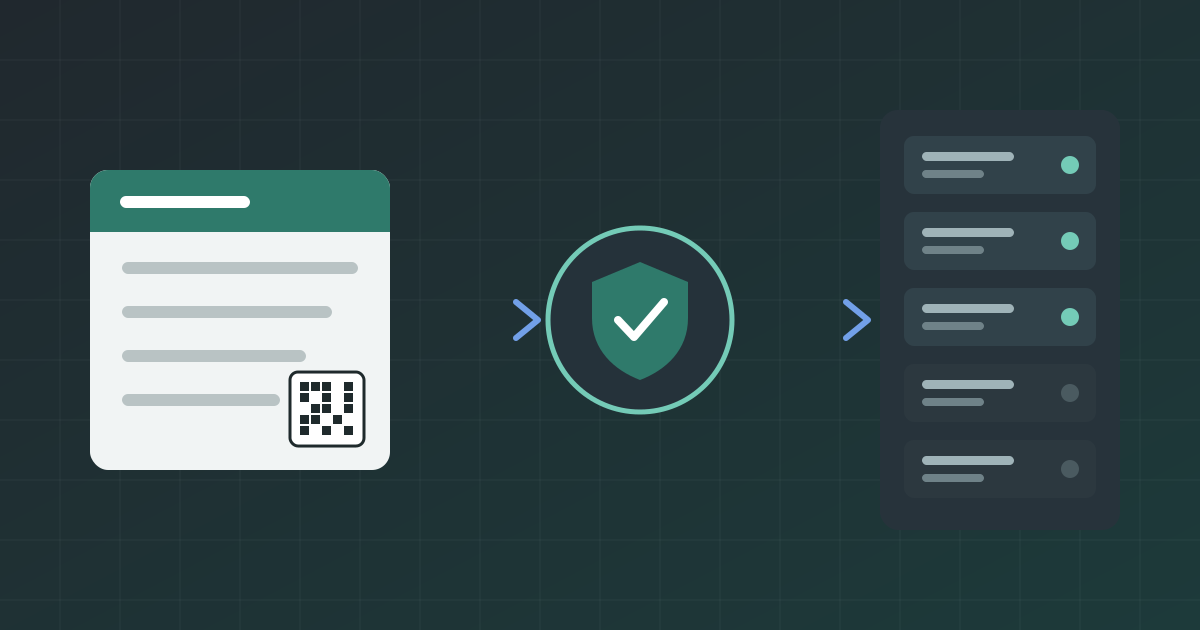
- VerifyThe company proves its identity, for example with a qualified seal.
- Provide the passportThe passport is machine-readable as JSON at its address.
- SubmitUp to 100 passports per call, via interface or API.
- Check the resultThe Registry checks the data. If one passport is faulty, the whole call fails.
Who is affected?
The economic operator placing the finished battery on the EU market. According to the Commission, component and module suppliers are not subject to the passport obligation. If a battery is only completed in the EU, for instance by adding the battery management system, the company completing it takes on responsibility.
What to do now
- Clarify which legal entity registers as the economic operator.
- Read the Commission’s FAQ and check the procedure in the testing environment.
- Decide who carries out registration per model or battery and where identifiers are documented.
- Ask your software provider whether it handles registration or which data it provides for it.
What this means for Batterypass
Batterypass now submits passports to the Registry via app and API. The test in the real Registry is still pending because it requires verification with a qualified seal.
Sources
This article reflects the status on its publication date and is not legal advice. The linked original texts are decisive.